

Blog

Month: July 2026

First Aid at Work vs Emergency First Aid at Work: What’s the Difference?

If you are responsible for workplace safety, you may be wondering about first aid at work vs emergency first aid at work and which qualification your business actually needs. The two courses sound similar, but they are designed for different workplace risks, responsibilities and levels of first aid cover.

Emergency First Aid at Work is a 1-day course designed for lower-risk workplaces, while First Aid at Work is a 3-day qualification designed for higher-risk environments and more comprehensive first aid responsibilities.

The right choice depends on your workplace first aid risk assessment, not guesswork.

Need Guidance? Speak to an Expert Today


The Quick Answer For Employers

Emergency First Aid at Work, often called EFAW, is usually suitable for lower-risk workplaces such as small offices, shops or low-risk hospitality settings.

First Aid at Work, often called FAW, is more detailed and is usually more suitable for higher-risk workplaces such as construction, manufacturing, warehouses, care settings or larger organisations.

Under the Health and Safety (First-Aid) Regulations 1981, employers must provide adequate and appropriate first aid equipment, facilities and personnel. What counts as adequate depends on the circumstances of the workplace, including hazards, risks and workforce size.


What Is Emergency First Aid At Work?

Emergency First Aid at Work is a shorter workplace first aid training course for people who need to respond to common first aid emergencies.

It is commonly chosen by lower-risk workplaces where a basic level of first aid cover is appropriate.

The course usually covers essential emergency response skills such as:

  • Assessing an incident
  • Dealing with an unresponsive casualty
  • CPR
  • AED use
  • Choking
  • Bleeding
  • Shock
  • Minor injuries
  • Basic first aid responsibilities

For many small or lower-risk businesses, an Emergency First Aid at Work Level 3 RQF course may provide the right level of cover.


What Is First Aid At Work?

First Aid at Work is a more comprehensive qualification for people with greater workplace first aid responsibilities.

It is usually suited to higher-risk environments, larger teams or workplaces where employees may face more serious injuries or medical incidents.

A Level 3 Award in First Aid at Work typically includes the essential emergency response topics covered in EFAW, but goes further into more complex situations.

This may include:

  • Fractures
  • Head, chest and spinal injuries
  • Burns and scalds
  • Eye injuries
  • Poisoning
  • Major illness
  • Asthma
  • Diabetes
  • Epilepsy
  • Heart attack
  • Stroke
  • More detailed casualty management

This makes FAW a better fit where workplace risks are higher or where first aiders may need to manage incidents for longer before professional help arrives.

First Aid At Work vs Emergency First Aid At Work Comparison

Feature Emergency First Aid At Work First Aid At Work
Common abbreviation EFAW FAW
Course length 1 day 3 days
Best suited to Lower-risk workplaces Higher-risk workplaces
Level of detail Essential emergency first aid More comprehensive first aid training
Covers CPR & AED Yes Yes
Covers serious injuries in more depth Limited Yes
Suitable for workplace compliance Yes, if suitable after risk assessment Yes, if suitable after risk assessment
Certificate validity Usually 3 years Usually 3 years
Typical learners Office staff, retail teams, small businesses Construction, warehousing, care, manufacturing, larger teams

The key point is that neither course is automatically “better”. The right course is the one that matches your workplace first aid needs assessment.


Which First Aid Course Does Your Business Need?

A common mistake is choosing a course based only on price, convenience or course length.

That can leave gaps in workplace first aid provision.

The HSE states that employers are required to carry out an assessment of first aid needs, considering workplace hazards, risks, organisation size and other relevant factors.

When deciding between EFAW and FAW, consider:

  • How many people work on site?
  • Are staff exposed to machinery, vehicles, tools or manual handling risks?
  • Do employees work alone or off site?
  • Are there vulnerable people, children or members of the public present?
  • Have there been previous accidents or near misses?
  • How quickly could emergency services arrive?
  • Do you operate shifts, multiple sites or changing teams?


Lower-Risk Workplaces

EFAW may be suitable for:

  • Small offices
  • Low-risk retail settings
  • Small hospitality teams
  • Reception-based workplaces
  • Low-risk commercial environments

These businesses may still need trained first aiders, but the likely incidents may be more basic and immediate in nature.


Higher-Risk Workplaces

FAW may be more suitable for:

  • Construction sites
  • Warehouses
  • Manufacturing environments
  • Engineering workplaces
  • Large commercial premises
  • Care settings
  • Sites with machinery or manual handling risks

These workplaces may need first aiders trained to deal with a wider range of injuries and medical emergencies.


Schools, Nurseries & Childcare Settings

Schools and childcare settings may need to consider both workplace first aid responsibilities and paediatric first aid requirements.

For early years or childcare environments, Paediatric First Aid Training may also be relevant alongside workplace first aid provision.


Is Emergency First Aid At Work HSE Compliant?

Yes, Emergency First Aid at Work can be HSE compliant, but only if it is appropriate for your workplace after a proper first aid needs assessment.

This is where many employers get caught out.

The course itself can be suitable, but that does not mean it is suitable for every workplace.

For example, a small office may reasonably choose EFAW after reviewing its risks. A warehouse with forklifts, racking, manual handling and shift work may need a more comprehensive First Aid at Work course.

HSE guidance is based on providing adequate and appropriate first aid, rather than choosing a single universal course for all workplaces.


What Happens If You Choose The Wrong Course?

Choosing the wrong first aid course can create practical and compliance problems.

For example:

  • A first aider may not be trained for the injuries most likely in your workplace
  • Cover may be too limited for your risk level
  • Your first aid needs assessment may not match your training records
  • Staff may lack confidence in a real emergency
  • Your business may need to arrange further training later

The aim is not just to hold a certificate. The aim is to make sure the right people have the right level of training for the risks they may face.


How Long Do First Aid Certificates Last?

Workplace first aid certificates are usually valid for 3 years.

Before they expire, employers should arrange renewal training so there is no gap in workplace cover. If a First Aid at Work certificate is due to expire, a First Aid at Work Refresher Course may be suitable.

It is also worth reviewing first aid provision before the expiry date if:

  • Your team has grown
  • Your workplace has changed
  • You have introduced new equipment
  • You have had accidents or near misses
  • Staff roles or shift patterns have changed

For more guidance, read our blog on how often first aid training should be refreshed.


Can You Upgrade From EFAW To FAW?

In many cases, an employer may start with Emergency First Aid at Work and later realise that First Aid at Work is more appropriate.

This can happen when a business grows, moves premises, takes on higher-risk work or updates its first aid risk assessment.

If your workplace risk level has changed, it is worth reviewing your training rather than waiting until certificates expire. A first aid needs assessment should reflect the business as it operates now, not how it operated several years ago.


Common Mistakes Employers Make

Assuming One First Aider Is Always Enough

One trained person may not be enough if they are off sick, on leave, working a different shift or based at another site.

Choosing EFAW Because It Is Shorter

EFAW is useful, but it should not be chosen simply because it takes less time. If your workplace risks are higher, FAW may be the more appropriate route.

Forgetting Certificate Expiry Dates

Expired certificates can leave a business without recognised first aid cover. Keep a training record and plan renewals early.

Not Reviewing First Aid After Business Changes

If your workforce, layout, machinery, work activity or risk level changes, your first aid provision may need to change too.

Why Practical Training Matters

A first aid course should do more than help someone pass an assessment. It should build the confidence to act under pressure.

That is especially important in workplace situations where the first aider may need to manage a real incident involving a colleague, customer, contractor or visitor.

Essex Medical Training’s first aid courses are delivered by healthcare professionals with real operational experience, rather than career trainers alone. This helps learners understand not just what to do, but why it matters in a real emergency.

You can explore available workplace first aid training courses or read more about whether your business needs first aid training.

Learn More About Us

FAQs

Which Course Does My Business Need?

Your business should choose the course that matches its first aid needs assessment. Lower-risk workplaces may need Emergency First Aid at Work, while higher-risk workplaces may need First Aid at Work.

Is EFAW Enough For An Office?

It may be enough for some lower-risk offices, depending on the number of employees, layout, working patterns and any specific risks. Employers should still complete a first aid risk assessment before deciding.

Is First Aid At Work Better Than Emergency First Aid At Work?

Not always. First Aid at Work is more comprehensive, but Emergency First Aid at Work may be suitable for lower-risk settings. The best option depends on your workplace risks.

How Long Does A First Aid At Work Certificate Last?

A First Aid at Work certificate is usually valid for 3 years. Employers should arrange renewal before expiry to avoid gaps in first aid cover.

Can Staff Take Annual First Aid Refresher Training?

Yes. Annual refresher training can help staff maintain confidence and keep key skills fresh between full requalification dates. You can learn more in our workplace first aid refresher guide.

Need Help Choosing The Right First Aid Course?

If you are still unsure which first aid course your workplace needs, the safest next step is to review your risks and get practical guidance before booking.

Essex Medical Training provides Emergency First Aid at Work, First Aid at Work and refresher training for employers and individuals across Essex.

What Happens On A First Aid Training Course? What To Expect Before You Book

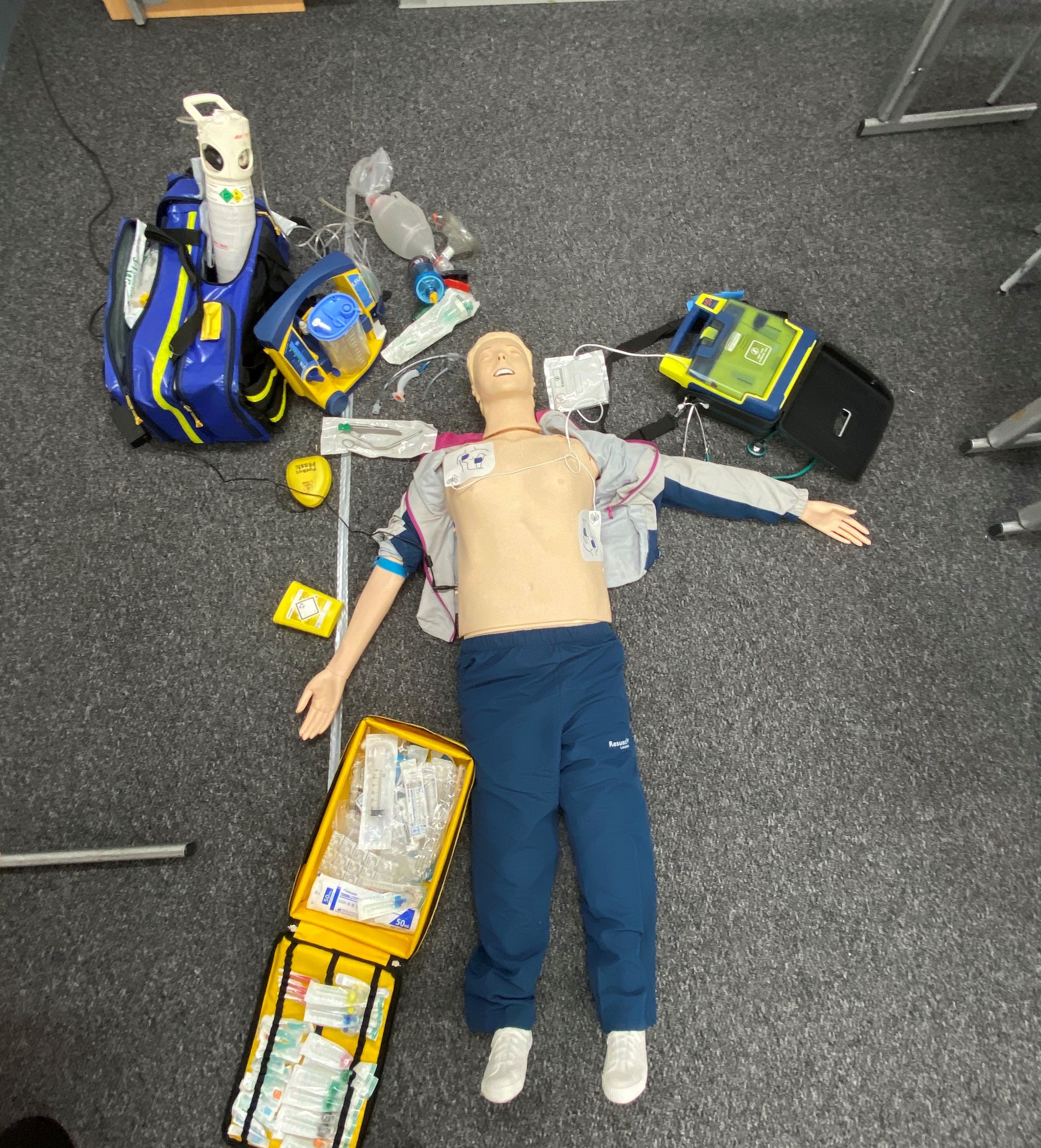
A first aid training course is designed to teach you how to respond calmly and safely when someone is injured, unwell or in immediate danger. Most courses include a mix of tutor-led teaching, practical demonstrations, hands-on practice, group scenarios and an assessment so you can show you understand how to apply what you have learned.

For many people, the biggest question before booking is simple: what actually happens on the day? This guide explains what to expect before, during and after a first aid course, so you can feel prepared before choosing the right training.

What Happens On A First Aid Course? (Quick Overview)

A first aid course typically includes practical training in CPR, AED use, managing injuries and medical emergencies, along with guidance on how to assess situations safely. You will take part in hands-on exercises, scenario-based learning and a short assessment to confirm your understanding. 

What You Can Expect on a First Aid Course

On a first aid course, you will usually learn how to assess an emergency, keep yourself and others safe, check a casualty’s condition, perform CPR, use an AED, manage choking, bleeding, shock, burns and common medical emergencies. Workplace courses also cover first aider responsibilities, reporting and when to call emergency services.

The exact content depends on the course you book. A one-day Emergency First Aid at Work course is usually focused on essential life-saving skills, while a three-day First Aid at Work course covers a broader range of injuries, illnesses and workplace scenarios.

Before The Course: What You Need To Know

Before attending, you should check which course is right for your role or workplace. Employers should base this on a first aid needs assessment, as the Health and Safety Executive expects workplaces to provide appropriate first aid arrangements, equipment and trained people based on their risks.

For example, a low-risk office may only need basic workplace first aid cover, while a care setting, school, warehouse or construction business may require more detailed training.

You normally do not need previous medical experience for entry-level first aid training. You may be asked to wear comfortable clothing because practical activities often include kneeling, placing someone in the recovery position and practising CPR on a training manikin.

What Happens When You Arrive

Most courses begin with introductions, an overview of the day and a short explanation of what you will be assessed on. A good trainer will make the environment supportive, especially for people who feel nervous about practical work.

You can expect the trainer to explain:

  • What the course covers
  • How the practical sessions work
  • What is expected during assessments
  • How to ask questions during the day
  • What certificate or qualification you will receive if you pass

At Essex Medical Training, courses are delivered by healthcare professionals with real-world experience, so learners are taught using practical examples rather than just textbook theory.

The Main Skills You Will Practise

Assessing An Emergency

You will learn how to approach an incident safely, check for danger and decide what action is needed. This is often called a primary survey and helps first aiders avoid panic by following a clear structure.

This part of the course is especially important because first aid is not just about knowing individual techniques. It is about knowing what to do first.

CPR And AED Use

Most first aid training courses include CPR practice using a training manikin. You will learn how to recognise when CPR may be needed, how to give chest compressions and how to use an AED, also known as a defibrillator.

Many learners worry about getting this wrong, but the purpose of training is to build confidence through repetition and correction in a safe environment.

Recovery Position And Unresponsive Casualties

You will usually practise how to support an unresponsive casualty who is breathing normally. This includes airway checks, monitoring breathing and placing the person in the recovery position.

This is one of the most practical parts of the course and is usually taught through demonstration followed by supervised practice.

Bleeding, Burns, Choking, and Shock

A first aid course will normally cover how to deal with common injuries and emergencies. This may include applying pressure to a bleed, cooling a burn, recognising shock and responding to choking.

The goal is not to turn learners into clinicians. It is to help them take safe, effective action until further help arrives.

Common Medical Conditions

Depending on the course, you may also learn how to recognise and respond to conditions such as seizures, asthma attacks, heart attacks, strokes, diabetes-related emergencies and anaphylaxis.

These sections are useful for workplaces, schools and care settings where staff may need to act quickly before emergency services arrive.

Will There Be An Assessment?

Yes, most recognised first aid courses include an assessment. This may involve practical observation, verbal questions, written questions or a combination of these.

The assessment is not designed to catch you out. It is there to confirm that you can apply the key skills safely and understand your role as a first aider.

For workplace first aid qualifications, attendance and active participation are important. If you are unsure about written assessments or practical work, it is worth discussing this with the training provider before booking.

How Long Does A First Aid Course Take?

Course length depends on the qualification.

Emergency First Aid at Work is typically a one-day course. First Aid at Work is usually delivered over three days. Paediatric First Aid is often delivered over two days, depending on the qualification structure and requirements.

For people renewing a workplace qualification, a refresher or requalification course may be more suitable, depending on the certificate held and expiry date. HSE guidance states that first aid certificates are time-limited, and employers should make sure first aiders remain appropriately trained.

Is A First Aid Course Mostly Classroom-Based Or Practical?

A good first aid course should include both theory and practical learning. You need enough theory to understand why actions matter, but the confidence usually comes from practising skills in realistic scenarios.

Typical activities may include:

  • Watching demonstrations
  • Practising CPR on manikins
  • Placing another learner in the recovery position
  • Discussing emergency scenarios
  • Practising incident decision-making
  • Completing short knowledge checks

This practical format is one reason many learners leave feeling more confident than they expected.

Which First Aid Course Should You Book?

The right course depends on why you need training.

If you need basic workplace cover, Emergency First Aid at Work may be suitable. If your workplace has higher risks or needs a more detailed qualification, the Level 3 First Aid at Work course may be more appropriate.

For childcare, nursery or school settings, Paediatric First Aid is usually the relevant route.

You can also explore the full range of first aid and healthcare training courses if you are comparing options.

Common Worries Before Booking A First Aid Course

What If I Have Never Done First Aid Before?

That is completely normal. Entry-level first aid courses are designed for beginners and do not assume medical knowledge.

What If I Am Nervous About The Practical Parts?

Many learners feel nervous at first. Practical sessions are supervised, supportive and designed to help you build confidence gradually.

What If I Make A Mistake During Training?

Training is the right place to make mistakes. Your trainer can correct technique, explain the reasoning and help you practise again before the assessment.

What If I Am Booking For A Team?

For workplace teams, it is helpful to think about your risks, shift patterns, staff roles and certificate expiry dates before booking. This helps ensure the right number of people receive the right level of training.

What Happens After The Course?

After completing the course and passing any required assessments, you will receive the relevant certificate or qualification. You should keep a record of the certificate date, especially if it is being used for workplace compliance.

Employers should also review whether refresher training is needed. The HSE strongly recommends annual refresher training for qualified first aiders to help keep skills current between full requalification periods.

Frequently Asked Questions

Do you need experience before a First Aid course?
No. Most entry-level first aid courses are suitable for beginners and are designed to teach the basics clearly and practically.

Do you have to do CPR in a First Aid course?
Usually, yes. CPR practice is a core part of many first aid courses because it is one of the most important life-saving skills.

Is First Aid training difficult?
First aid training is practical and structured, but it should not feel overwhelming. A good trainer will break each skill down into manageable steps.

What should I wear to a First Aid course?
Wear comfortable clothing that allows you to move easily. Practical tasks may involve kneeling, bending and practising recovery position techniques.

How do I know which course my workplace needs?
Your workplace should complete a first aid needs assessment. This considers risks, staff numbers, work activities and the level of first aid cover required.

Feel Prepared Before You Book Your First Aid Course

A first aid training course is practical, supportive and designed to give you the confidence to act when it matters. You will not be expected to arrive with medical knowledge. The course is there to teach you what to do, how to do it safely and when to get further help.

If you are unsure which course is right for you or your team, Essex Medical Training can help you compare options and choose the right route based on your role, workplace or compliance needs.

Speak To Our Team About First Aid Training

What First Aid Training Does My Business Legally Need in the UK?

Understanding HSE first aid requirements is essential for any UK business. Whether you run a small office, a care home, or a construction site, you are legally required to provide adequate first aid provision for your staff.

The challenge is that the first aid compliance UK rules are not one size fits all. Employers must assess their risks, choose the right level of training, and ensure coverage is maintained at all times. Many businesses assume they are compliant, but in reality, gaps such as expired certificates or insufficient coverage are common.

In this guide, we break down workplace first aid legal requirements, explain how to carry out a first aid risk assessment in the UK, and help you identify exactly what training your business needs in 2026.

Need Guidance? Speak to an Expert Today

What Are the Current HSE First Aid Requirements?

Under the Health and Safety First Aid Regulations 1981, all employers must provide adequate and appropriate first aid provision.

This means your business must have:

  • Suitable first aid equipment
  • Trained personnel
  • Clear procedures for dealing with emergencies

The term “adequate and appropriate” is key. It depends on your business, your workforce, and your level of risk.

For example:

  • A small office may only require a basic first aider
  • A warehouse or construction site will require more advanced training

This is why understanding first aid training requirements is critical, not just for compliance, but for protecting your team.

What Is a First Aid Needs Assessment?

A first aid risk assessment is the foundation of compliance. It determines what level of training and provision your business needs.

You should consider:

  • Number of employees
  • Workplace hazards
  • Type of work being carried out
  • History of incidents
  • Lone or remote workers
  • Shift patterns and coverage

For example, a business in Essex with multiple shifts and physical hazards will require more trained first aiders than a small office.

Without this assessment, you cannot confidently meet HSE first aid requirements.

What First Aid Training Does Your Business Need?

Choosing the correct course is one of the most common areas of confusion. The right training depends entirely on your risk assessment.

Low-Risk Workplaces

Low-risk environments include:

  • Offices
  • Retail spaces
  • Small businesses

In these settings, an Emergency First Aid at Work course is usually sufficient. This is a 1-day first aid course designed to provide essential life-saving skills.

Learn more here

Higher-Risk Workplaces

Higher-risk environments include:

  • Construction sites
  • Warehouses
  • Manufacturing

These workplaces typically require a First Aid at Work course, which provides more comprehensive training.

Learn more here

Specialist Environments

Some sectors require additional or specific training:

  • Schools and nurseries, Paediatric First Aid
  • Care homes, moving and handling and medication training
  • Healthcare environments, advanced clinical training

For example, explore our Paediatric First Aid Training

First Aid Compliance Checklist for Employers

Use this quick checklist to assess whether your business meets workplace first aid legal requirements:

  • Completed a first aid needs assessment
  • Appointed trained first aiders
  • Ensured all certificates are valid
  • Provided adequate coverage across shifts
  • Supplied appropriate first aid equipment
  • Communicated procedures to staff

If any of these areas are missing, your business may not be compliant.

How Often Should First Aid Training Be Refreshed?

Most first aid qualifications are valid for three years.

However, best practice recommended by organisations such as the NHS and Resuscitation Council UK suggests:

  • Annual refresher training to maintain skills
  • Requalification before expiry

Keeping training up to date ensures your team can act confidently in real emergencies.

Common First Aid Compliance Mistakes

Many businesses in Essex believe they are compliant when they are not. The most common mistakes include:

  • Letting certificates expire
  • Failing to update risk assessments
  • Relying on a single first aider
  • Choosing the wrong level of training
  • Not accounting for staff absence or turnover

These gaps can lead to serious risks, both legally and operationally.

First Aid Training in Essex: How We Can Help

At Essex Medical Training, we do more than deliver courses. We help businesses understand exactly what they need to stay compliant.

All training is delivered by experienced healthcare professionals, including paramedics and NHS-trained clinicians. This ensures practical, real-world learning that goes beyond theory.

We support businesses across:

  • Wickford
  • Chelmsford
  • Basildon
  • Southend
  • And wider Essex

Whether you need a 1-day first aid course, full workplace training, or guidance on compliance, we can tailor a solution to your needs.

Book Your First Aid Training 

If you are unsure whether your business meets HSE first aid requirements, now is the time to act.

Booking the right training ensures:

  • Legal compliance
  • Staff safety
  • Confidence in emergency situations

Call us: 0800 820 3692
Email: admin@essexmedicaltraining.co.uk

Essex Medical Training | Training Center & Medical School | Copyright © 2019. All Rights reserved | by h1SKS Web Studios.