
A first aid training course is designed to teach you how to respond calmly and safely when someone is injured, unwell or in immediate danger. Most courses include a mix of tutor-led teaching, practical demonstrations, hands-on practice, group scenarios and an assessment so you can show you understand how to apply what you have learned.
For many people, the biggest question before booking is simple: what actually happens on the day? This guide explains what to expect before, during and after a first aid course, so you can feel prepared before choosing the right training.
What Happens On A First Aid Course? (Quick Overview)
A first aid course typically includes practical training in CPR, AED use, managing injuries and medical emergencies, along with guidance on how to assess situations safely. You will take part in hands-on exercises, scenario-based learning and a short assessment to confirm your understanding.
What You Can Expect on a First Aid Course
On a first aid course, you will usually learn how to assess an emergency, keep yourself and others safe, check a casualty’s condition, perform CPR, use an AED, manage choking, bleeding, shock, burns and common medical emergencies. Workplace courses also cover first aider responsibilities, reporting and when to call emergency services.
The exact content depends on the course you book. A one-day Emergency First Aid at Work course is usually focused on essential life-saving skills, while a three-day First Aid at Work course covers a broader range of injuries, illnesses and workplace scenarios.
Before The Course: What You Need To Know
Before attending, you should check which course is right for your role or workplace. Employers should base this on a first aid needs assessment, as the Health and Safety Executive expects workplaces to provide appropriate first aid arrangements, equipment and trained people based on their risks.
For example, a low-risk office may only need basic workplace first aid cover, while a care setting, school, warehouse or construction business may require more detailed training.
You normally do not need previous medical experience for entry-level first aid training. You may be asked to wear comfortable clothing because practical activities often include kneeling, placing someone in the recovery position and practising CPR on a training manikin.
What Happens When You Arrive
Most courses begin with introductions, an overview of the day and a short explanation of what you will be assessed on. A good trainer will make the environment supportive, especially for people who feel nervous about practical work.
You can expect the trainer to explain:
- What the course covers
- How the practical sessions work
- What is expected during assessments
- How to ask questions during the day
- What certificate or qualification you will receive if you pass
At Essex Medical Training, courses are delivered by healthcare professionals with real-world experience, so learners are taught using practical examples rather than just textbook theory.
The Main Skills You Will Practise
Assessing An Emergency
You will learn how to approach an incident safely, check for danger and decide what action is needed. This is often called a primary survey and helps first aiders avoid panic by following a clear structure.
This part of the course is especially important because first aid is not just about knowing individual techniques. It is about knowing what to do first.
CPR And AED Use
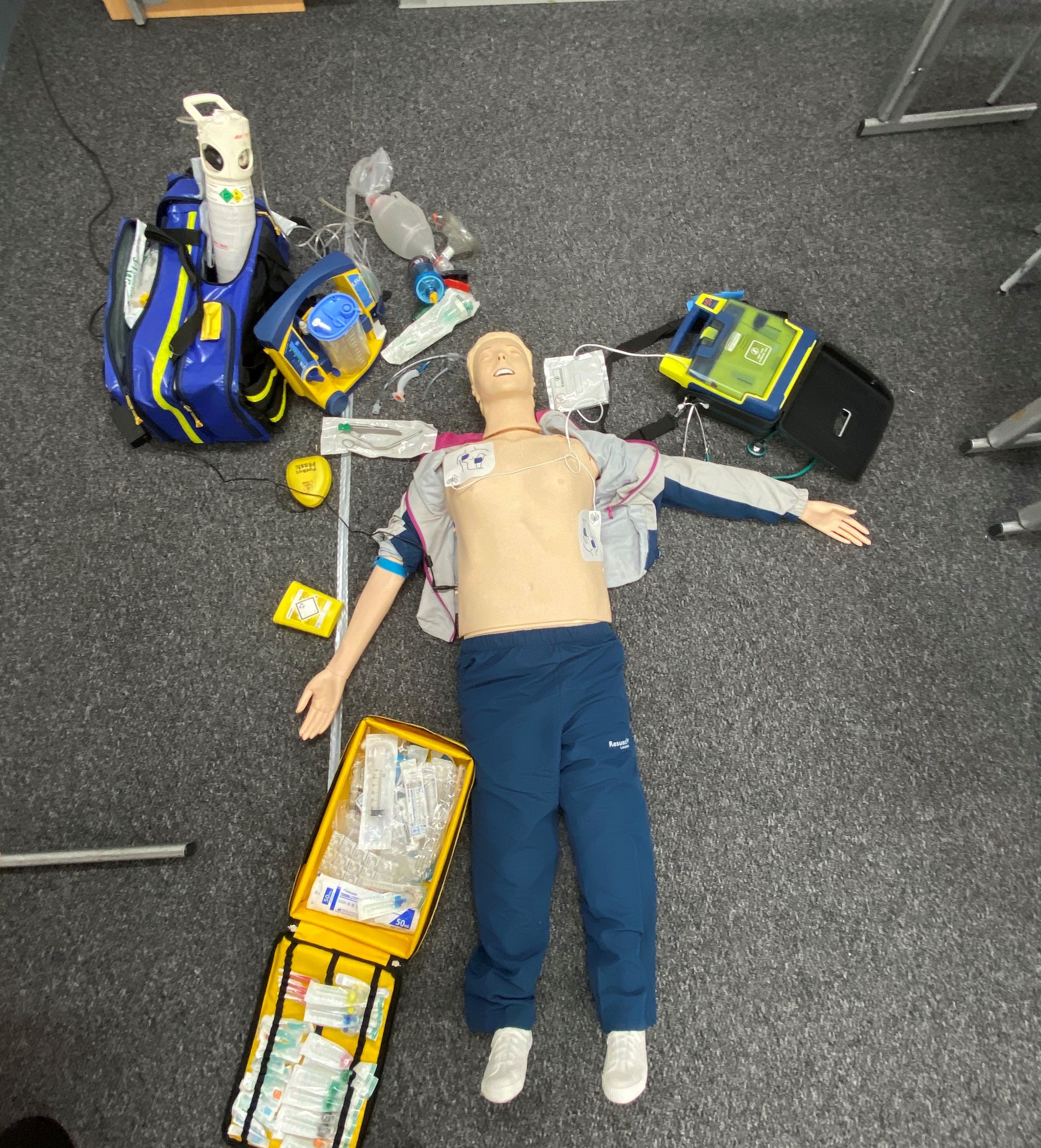
Most first aid training courses include CPR practice using a training manikin. You will learn how to recognise when CPR may be needed, how to give chest compressions and how to use an AED, also known as a defibrillator.
Many learners worry about getting this wrong, but the purpose of training is to build confidence through repetition and correction in a safe environment.
Recovery Position And Unresponsive Casualties
You will usually practise how to support an unresponsive casualty who is breathing normally. This includes airway checks, monitoring breathing and placing the person in the recovery position.
This is one of the most practical parts of the course and is usually taught through demonstration followed by supervised practice.
Bleeding, Burns, Choking, and Shock
A first aid course will normally cover how to deal with common injuries and emergencies. This may include applying pressure to a bleed, cooling a burn, recognising shock and responding to choking.
The goal is not to turn learners into clinicians. It is to help them take safe, effective action until further help arrives.
Common Medical Conditions
Depending on the course, you may also learn how to recognise and respond to conditions such as seizures, asthma attacks, heart attacks, strokes, diabetes-related emergencies and anaphylaxis.
These sections are useful for workplaces, schools and care settings where staff may need to act quickly before emergency services arrive.
Will There Be An Assessment?
Yes, most recognised first aid courses include an assessment. This may involve practical observation, verbal questions, written questions or a combination of these.
The assessment is not designed to catch you out. It is there to confirm that you can apply the key skills safely and understand your role as a first aider.
For workplace first aid qualifications, attendance and active participation are important. If you are unsure about written assessments or practical work, it is worth discussing this with the training provider before booking.
How Long Does A First Aid Course Take?
Course length depends on the qualification.
Emergency First Aid at Work is typically a one-day course. First Aid at Work is usually delivered over three days. Paediatric First Aid is often delivered over two days, depending on the qualification structure and requirements.
For people renewing a workplace qualification, a refresher or requalification course may be more suitable, depending on the certificate held and expiry date. HSE guidance states that first aid certificates are time-limited, and employers should make sure first aiders remain appropriately trained.
Is A First Aid Course Mostly Classroom-Based Or Practical?
A good first aid course should include both theory and practical learning. You need enough theory to understand why actions matter, but the confidence usually comes from practising skills in realistic scenarios.
Typical activities may include:
- Watching demonstrations
- Practising CPR on manikins
- Placing another learner in the recovery position
- Discussing emergency scenarios
- Practising incident decision-making
- Completing short knowledge checks
This practical format is one reason many learners leave feeling more confident than they expected.
Which First Aid Course Should You Book?
The right course depends on why you need training.
If you need basic workplace cover, Emergency First Aid at Work may be suitable. If your workplace has higher risks or needs a more detailed qualification, the Level 3 First Aid at Work course may be more appropriate.
For childcare, nursery or school settings, Paediatric First Aid is usually the relevant route.
You can also explore the full range of first aid and healthcare training courses if you are comparing options.
Common Worries Before Booking A First Aid Course
What If I Have Never Done First Aid Before?
That is completely normal. Entry-level first aid courses are designed for beginners and do not assume medical knowledge.
What If I Am Nervous About The Practical Parts?
Many learners feel nervous at first. Practical sessions are supervised, supportive and designed to help you build confidence gradually.
What If I Make A Mistake During Training?
Training is the right place to make mistakes. Your trainer can correct technique, explain the reasoning and help you practise again before the assessment.
What If I Am Booking For A Team?
For workplace teams, it is helpful to think about your risks, shift patterns, staff roles and certificate expiry dates before booking. This helps ensure the right number of people receive the right level of training.
What Happens After The Course?
After completing the course and passing any required assessments, you will receive the relevant certificate or qualification. You should keep a record of the certificate date, especially if it is being used for workplace compliance.
Employers should also review whether refresher training is needed. The HSE strongly recommends annual refresher training for qualified first aiders to help keep skills current between full requalification periods.
Frequently Asked Questions
Do you need experience before a First Aid course?
No. Most entry-level first aid courses are suitable for beginners and are designed to teach the basics clearly and practically.
Do you have to do CPR in a First Aid course?
Usually, yes. CPR practice is a core part of many first aid courses because it is one of the most important life-saving skills.
Is First Aid training difficult?
First aid training is practical and structured, but it should not feel overwhelming. A good trainer will break each skill down into manageable steps.
What should I wear to a First Aid course?
Wear comfortable clothing that allows you to move easily. Practical tasks may involve kneeling, bending and practising recovery position techniques.
How do I know which course my workplace needs?
Your workplace should complete a first aid needs assessment. This considers risks, staff numbers, work activities and the level of first aid cover required.
Feel Prepared Before You Book Your First Aid Course
A first aid training course is practical, supportive and designed to give you the confidence to act when it matters. You will not be expected to arrive with medical knowledge. The course is there to teach you what to do, how to do it safely and when to get further help.
If you are unsure which course is right for you or your team, Essex Medical Training can help you compare options and choose the right route based on your role, workplace or compliance needs.